Spider-Man: Into the Spider-Verse
Miles feels pressure to meet others' expectations, causing him to adapt so he can fit in. However, he realizes (like Charlie) that pretending to be someone else doesn't make him happy.
The Perks of Being a Wallflower
Ten works of art that speak to the themes of the film
In The Perks of Being a Wallflower, Charlie connects to the world through art — songs, novels, films and poems that give words to feelings he cannot express aloud. Following in his footsteps, this mix tape brings together ten works that mirror the film's central themes: identity, belonging, grief, growing up, and the quiet courage it takes to finally participate in life.
Each piece echoes a different scene or emotion from the film, chosen not just for their content, but for what they say — much like the songs Charlie carefully selects for his own mix tapes.

Miles feels pressure to meet others' expectations, causing him to adapt so he can fit in. However, he realizes (like Charlie) that pretending to be someone else doesn't make him happy.
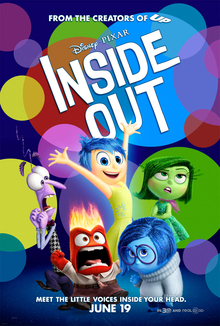
Both, "Inside out" and "The Perks of Being a Wallflower" focus on understanding emotions and dealing with major life changes.
Charlie treasures his time with friends but fears it will end. In Ribs, the speaker similarly worries about growing up and losing those special moments.
Like Holden Caulfield, Charlie watches the world from the outside. The book connects two lonely teenagers searching for where they belong.
The novel teaches Charlie the importance of empathy. He learns to understand others and eventually himself better.
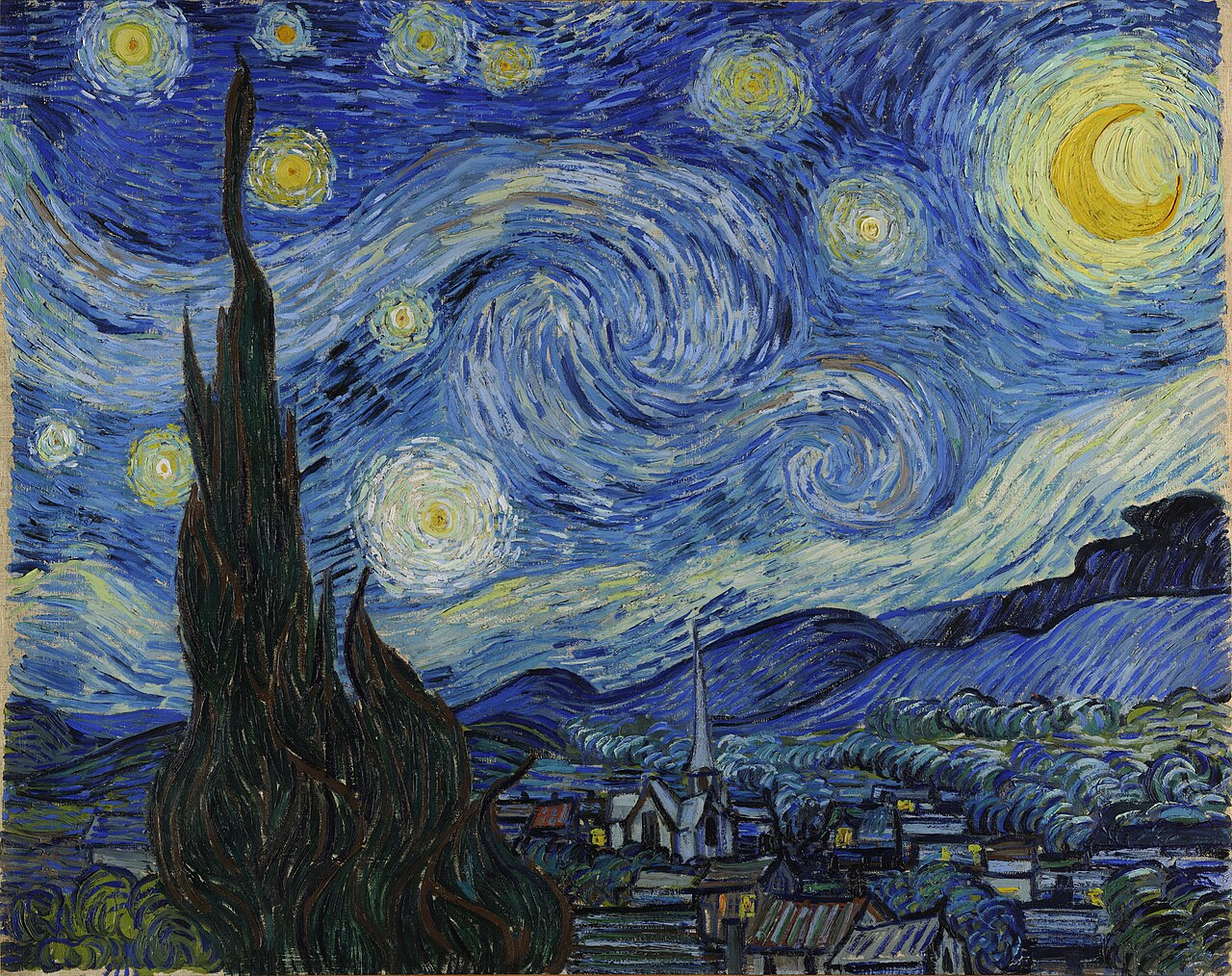
Like Charlie in the hospital, The Starry Night shows strong emotions and confusion. The bright stars can also represent hope, just as Charlie starts to heal and understand himself better.
Like Charlie, Lady Bird is trying to figure out who she is and where she belongs. Both characters struggle with relationships and growing up while trying to fit in with the rest.
The poem describes deep grief that makes everything else feel unimportant. It connects to Charlie's hidden pain and past trauma.
The image of an outsider matches Charlie, who often watches life instead of joining in. It represents his role as a "wallflower."
Young people finding identity through friendship and rebellion. It's about growing up much like what Charlie did. Also, writing is a big part of how the people express themselves.